
Delivery Exception Analysis & Handoff Anatomy
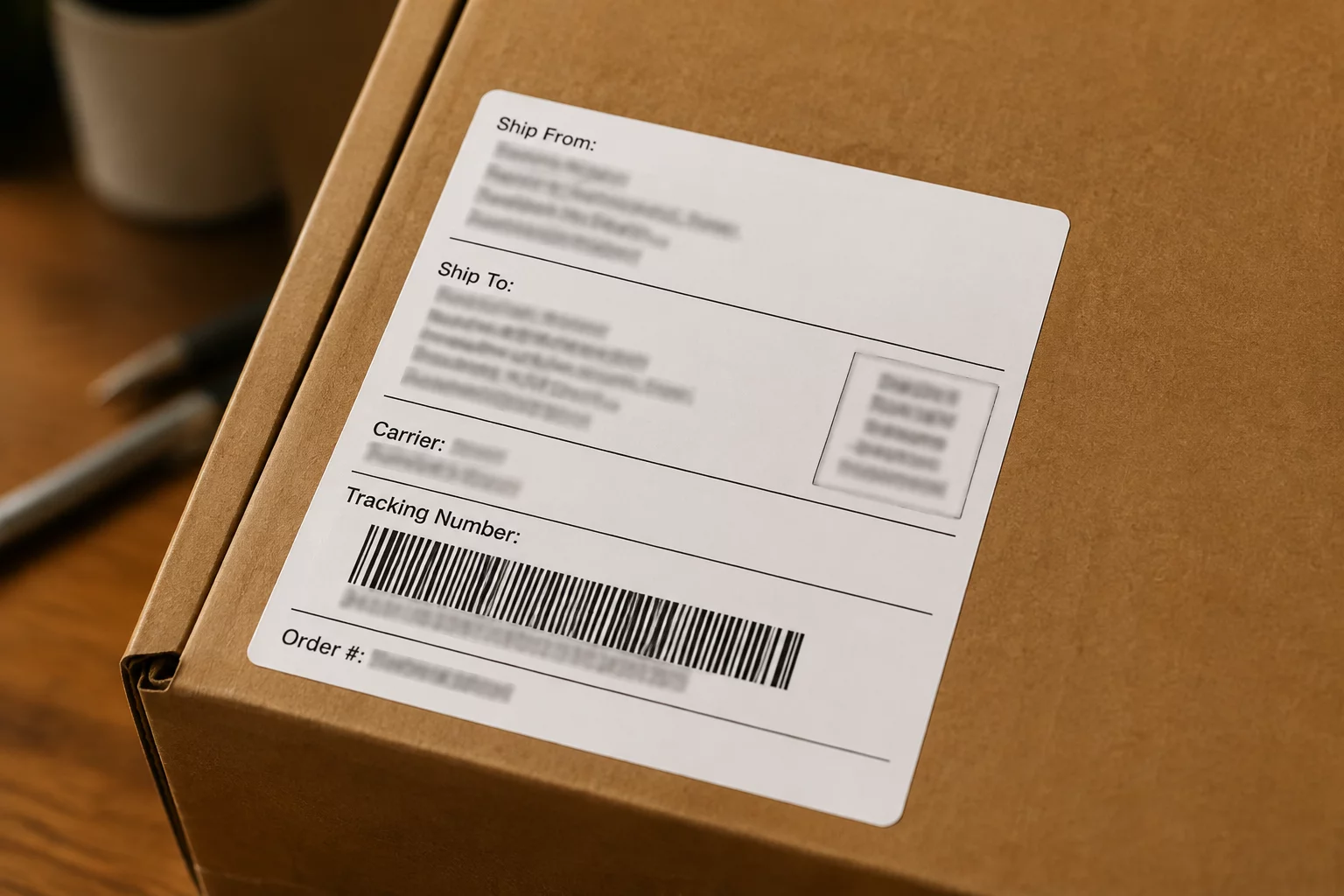
When an outbound delivery fails at the destination, the parcel automatically reverses its course back to the sender address. The physical label in this incident listed only the legal parent corporation name and the primary office street number, leaving out department routing numbers, internal sender initials, and specific floor numbers. When the delivery carrier returned the parcel, receiving dock personnel had no way to identify who originated the mailing or why it was dispatched in the first place.
When examining delivery exception examples, mail delivery teams frequently encounter structural disconnects between carrier manifest entries and recipient physical availability. An uncoordinated returned-mail process causes substantial overhead, requiring detailed internal protocols to prevent continuous dispatch loops during high-volume business delivery handoffs.
- > Ambiguous recipient routing directives on outer packaging.
- > Lack of documented escalation point when loading dock rejects entry.
- > Unsynchronized return addresses omitting internal desk reference numbers.
Follow-up Decisions & Remediation Architecture
Effective resolution mandates immediate logging into the central registry before initiating any secondary reshipment. Without correcting the root identifier, repeat dispatches reliably produce identical failures, increasing carrier handling costs and operational downtime.
- 01 Flag incoming carrier exception notification in internal tracker.
- 02 Contact building reception or regional mail hub supervisor.
- 03 Verify floor, suite, and recipient identity against corporate roster.
Field Commentary & Operational Reviews
Return addresses need to be much more specific.
> sys_status: OK | throughput: 14.8k ops/sec | packet_loss: 0.00%