
Delivery Exception Analysis & The Cost of Missing Context
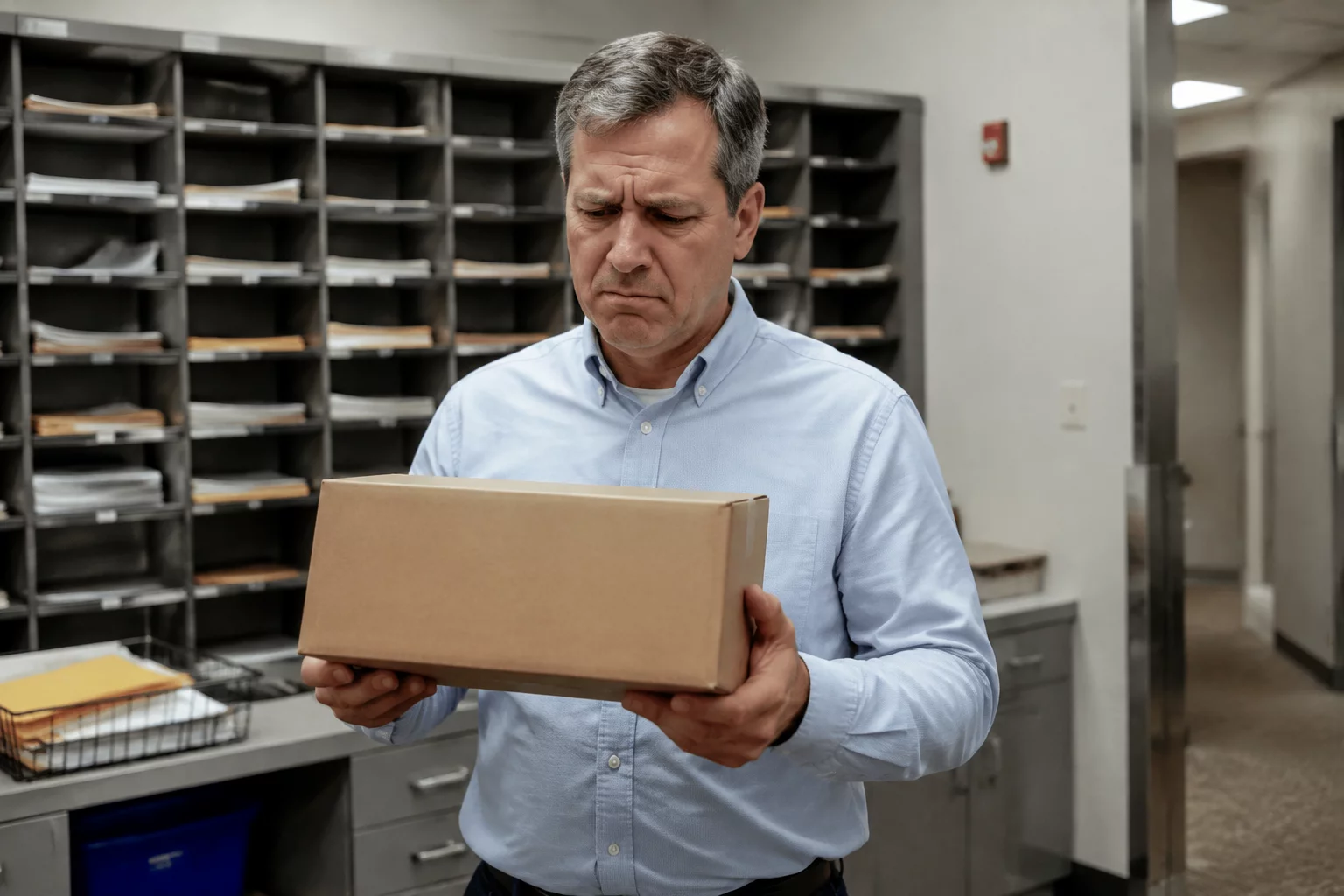
In modern distribution environments, parcels frequently clear carrier checkpoints without issues, only to enter a complete standstill upon arriving at their destination building. When the original sender ignores internal reference numbers and recipient department routing notes, mailroom personnel are forced to spend hours searching company registries. The parcel rests physically on the intake counter, while digitally marked as completed, creating a blind spot across operational workflows.
When examining delivery exception examples, mail delivery teams frequently encounter structural disconnects between carrier manifest entries and recipient physical availability. An uncoordinated returned-mail process causes substantial overhead, requiring detailed internal protocols to prevent continuous dispatch loops during high-volume business delivery handoffs.
- > Omission of purchase order tags and internal project identifiers on waybills.
- > Generic recipient addresses lacking specific room, cubicle, or desk coordinates.
- > Lack of automated dispatch receipts forwarded to regional receiving stations.
Follow-up Decisions & Remediation Architecture
Effective resolution mandates immediate logging into the central registry before initiating any secondary reshipment. Without correcting the root identifier, repeat dispatches reliably produce identical failures, increasing carrier handling costs and operational downtime. Logistics supervisors must enforce mandatory field completion on all outbound courier software platforms.
- 01 Scan shipping barcode into the unidentified parcel log upon mailroom receipt.
- 02 Cross-reference carrier tracking sequence against active corporate purchase order files.
- 03 Issue an internal notification to department heads before marking package as unclaimed.
Field Commentary & Operational Reviews
Documentation is key. Never assume someone else knows.
> sys_status: OK | throughput: 14.8k ops/sec | packet_loss: 0.00%